Big Characters, Bigger Conversations: How Anime Character Design Became a Global Talking Point
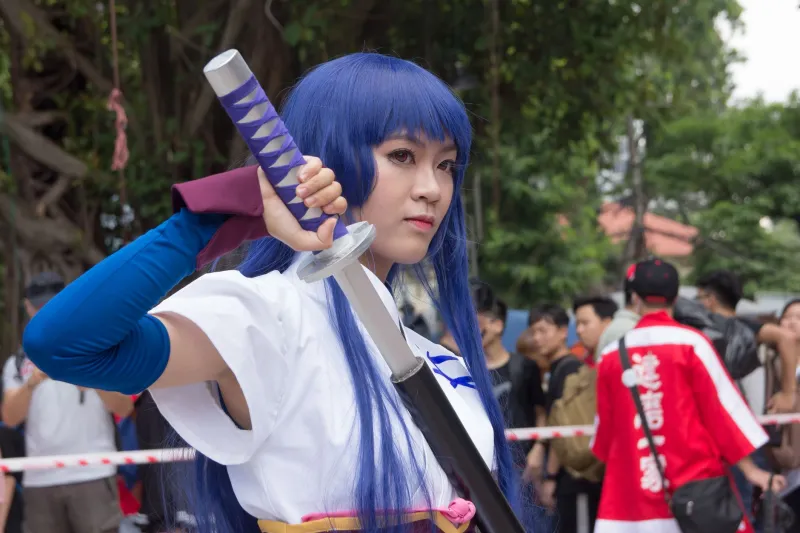
If you've spent any time in anime fandom — whether on Reddit, Twitter/X, or at conventions like Anime Expo — you know that character design is one of the most hotly debated topics in the community. And few design choices spark more conversation than exaggerated physical proportions, particularly when it comes to female characters.
Today, we're taking a neutral, editorial look at this long-standing element of anime aesthetics: where it came from, why it persists, and how the conversation has evolved — especially among American fans.
The Roots of Exaggerated Character Design
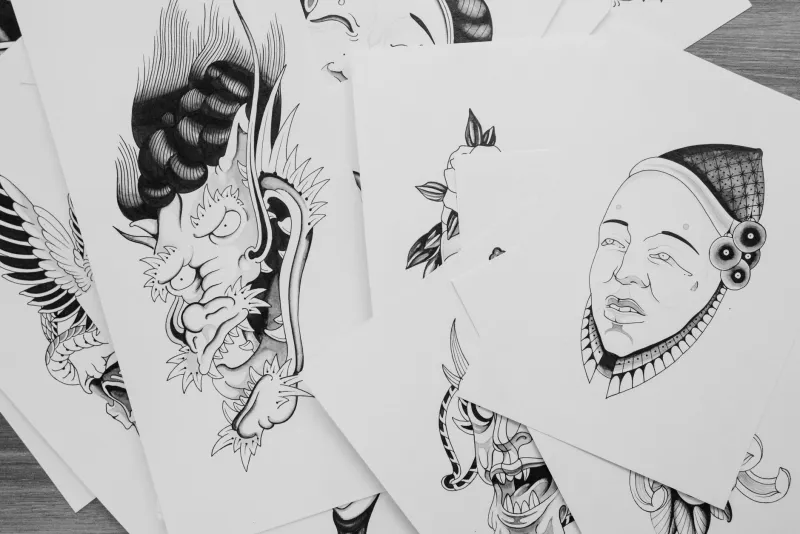
Exaggeration is baked into the DNA of Japanese visual art. From ukiyo-e woodblock prints to modern manga, artists have long used stylization to convey personality at a glance. Osamu Tezuka, often called the "God of Manga," established many of the visual shorthand conventions we still see today — big eyes for innocence, sharp features for villains, and yes, varied body types to signal different character archetypes.
By the 1980s and 90s, series like Dirty Pair, Ghost in the Shell, and Golden Boy pushed certain physical traits to extremes, sometimes for comedy, sometimes for fan service, and sometimes as deliberate artistic statements. The 2000s brought us characters like One Piece's Nami and Robin, whose designs evolved noticeably over the manga's run, sparking debates that continue to this day.
Fan Service vs. Characterization: A Fine Line
Here's where things get interesting from an editorial standpoint. Not every exaggerated design is created equal, and fans have gotten increasingly sophisticated in distinguishing between them.
Some argue that certain designs are integral to a character's identity. Think of characters whose physicality is part of their narrative — their strength, their confidence, or even their insecurities. Others point to cases where design choices feel like marketing decisions rather than storytelling ones, designed to sell figures, posters, and Blu-ray box sets.
The Japanese term "kyonyu" (literally "big breasts") has even become its own character archetype label, appearing in character descriptions, light novels, and genre tags across streaming platforms. It's less a description and more a shorthand for a specific personality type — often the mature, motherly, or confident one in a cast.
How American Fandom Talks About It
The US conversation around these design choices has shifted dramatically over the past decade. A few factors drove that change:
- Mainstream accessibility: With anime on Netflix, Hulu, and Crunchyroll, shows that once lived in niche VHS circles are now watched by general audiences, including viewers who bring different cultural expectations.
- Social media discourse: A single character design reveal can generate thousands of quote-tweets within hours. Just ask anyone who watched the Genshin Impact or Atelier design debates unfold.
- Creator commentary: More Western fans now hear directly from Japanese creators through translated interviews, adding nuance to why certain designs exist.
Interestingly, the discourse isn't one-sided. Plenty of American fans defend exaggerated designs as valid artistic expression rooted in a different cultural tradition, while others push for more variety in body types overall. Both camps agree on one thing: character design matters.
The Industry's Response
Studios and publishers have taken notice. Recent years have seen more diverse character rosters in mainstream series. Spy x Family, Chainsaw Man, and Delicious in Dungeon all feature casts with varied body types and designs that serve their stories rather than a single aesthetic formula.
At the same time, the traditional archetypes haven't disappeared — they've coexisted. Series like Uzaki-chan and Komi Can't Communicate prove that exaggerated designs remain commercially viable, even as they generate their own share of online debate.
Why This Conversation Isn't Going Anywhere
Character design sits at the intersection of art, commerce, and culture — which makes it perpetually interesting to write and argue about. As anime continues its mainstream American expansion, expect these debates to keep evolving, not disappearing.
What's your take? Are exaggerated designs a legitimate part of anime's artistic tradition, or is the industry overdue for a broader range of character types? The answer probably depends on the show, the context, and who you ask. Either way, it's a conversation worth having — and one we'll keep covering here at KyonyuDouga.
What do you think about the current state of anime character design? Drop your thoughts in the comments below.