The Seiyuu Signing Line Is the New Main Stage: Inside Japanese Voice Actors' US Convention Boom
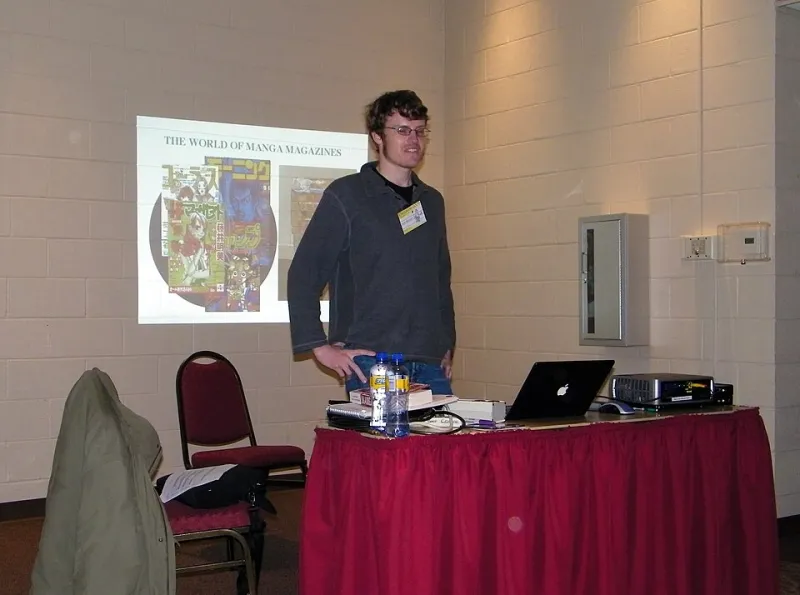
Photo: millermz on Flickr., CC BY 2.0, via Wikimedia Commons
At a fall 2026 anime convention in the US, the longest line was not always for the dealer hall. It was for a Japanese voice actor signing autographs. Fans clutched acrylic stands, Blu-ray covers, and carefully protected shikishi boards. Some had traveled from other states. Others had been in line since the morning, trading rumors about whether the session would hit its cap before they reached the front. The seiyuu signing line has become its own main stage.
This is not a brand-new phenomenon. Japanese voice actors have been guests at US conventions for years. But the scale and intensity have changed. Streaming made their work instantly accessible, social clips made their personalities discoverable, and conventions learned that a well-run seiyuu panel can turn a regional show into a destination weekend. The result is a circuit within the circuit, where autograph tickets sell like concert presales and panel clips become their own fandom content.
Why Seiyuu Panels Hit Different in the US
Anime fans in the US have always had favorite characters. What changed is that they now have favorite performances. A voice actor's range is easier to follow when a whole catalog is streaming. Fans compare roles, recognize vocal tics, and quote line deliveries the way sports fans quote calls. That familiarity makes a seiyuu panel feel less like a distant celebrity appearance and more like seeing the person behind a voice you have spent hours with.
There is also the language barrier, which can make the panel more interesting rather than less. A good interpreter does not just translate words. They translate rhythm, jokes, and the occasional pause that lets the audience laugh in the right place. When the room is full, the energy is not just about celebrity. It is about watching a conversation happen in real time across two languages, with thousands of people collectively leaning in.
The Economics of an Autograph Line
Convention promoters describe a simple but tricky math. A panel is often included with the badge. An autograph session can be a separate ticket, or a VIP add-on, or a lottery. Each model changes the vibe. A free signing with a hard cap feels fair but creates brutal lines. A paid signing can reduce chaos but raises expectations. A lottery feels democratic until someone's friend gets in and they do not.
Behind the scenes, bringing a Japanese voice actor to the US is not just a plane ticket. There is the guest fee, travel, hotel, food, translation, security, and the cost of making sure the schedule is humane. Promoters have to balance all of that against ticket revenue and the risk that a panel room will be packed while the signing table sits empty. The successful shows treat the seiyuu guest as a full weekend experience: panel, signing, photo op, maybe a DJ set or a live reading. The unsuccessful ones treat the guest as a logo on a flyer.
Fans feel that difference. They notice when a guest has time to breathe, when the translator has chemistry with the room, and when the staff knows where the line starts. They also notice when an autograph ticket was sold without a clear schedule. In 2026, the best convention operators are the ones who communicate the rules early and do not change them at the door.
Translation Etiquette and Fan Culture
Seiyuu events also come with their own etiquette culture. Fans want to say something meaningful in Japanese, and that is great, but a few phrases go a long way. Learn how to say thank you. Do not grab hands. Do not ask for a voice line unless the guest or staff has said it is okay. Keep gifts within the convention's posted policy. If you are using a fan translation of a panel clip online, credit the translator and do not pretend the interpretation is official.
The etiquette is not about being stiff. It is about making the room work for everyone. Japanese guests are often generous with fans, but they are also doing a job in a second language and a different cultural context. The best fan interactions are the ones that are warm, brief, and respectful of the line behind you.
From Clip to Queue: How Video Fuels Discovery
Short video clips have become the marketing engine for seiyuu events. A fifteen-second clip of a voice actor switching between characters, laughing at a fan question, or reacting to a packed hall can travel farther than a printed program. That clip does two things at once. It entertains the people who were there, and it makes the people who were not there want to be there next time.
That is why conventions now think about panel content as media, not just programming. A well-lit stage, a clean audio feed, and a guest who is comfortable with the audience can produce moments that keep circulating after the weekend. The flip side is that clips can flatten context. A joke without the translator's setup can look like something else. A crowd reaction can look bigger than the room. Fans and promoters both have to be careful about what the clip actually shows.
What to Know Before You Get in Line
The seiyuu convention boom is not going away. It is getting more organized, more expensive, and more central to how US anime fans experience Japanese pop culture. If you are planning to attend a 2027 event, read the autograph policy before you buy the badge. Check whether the guest is doing a panel, a signing, or both. Bring cash if the convention is cash-only, and bring patience even if it is not. The line is not the obstacle to the event. In 2026, the line is part of the event.